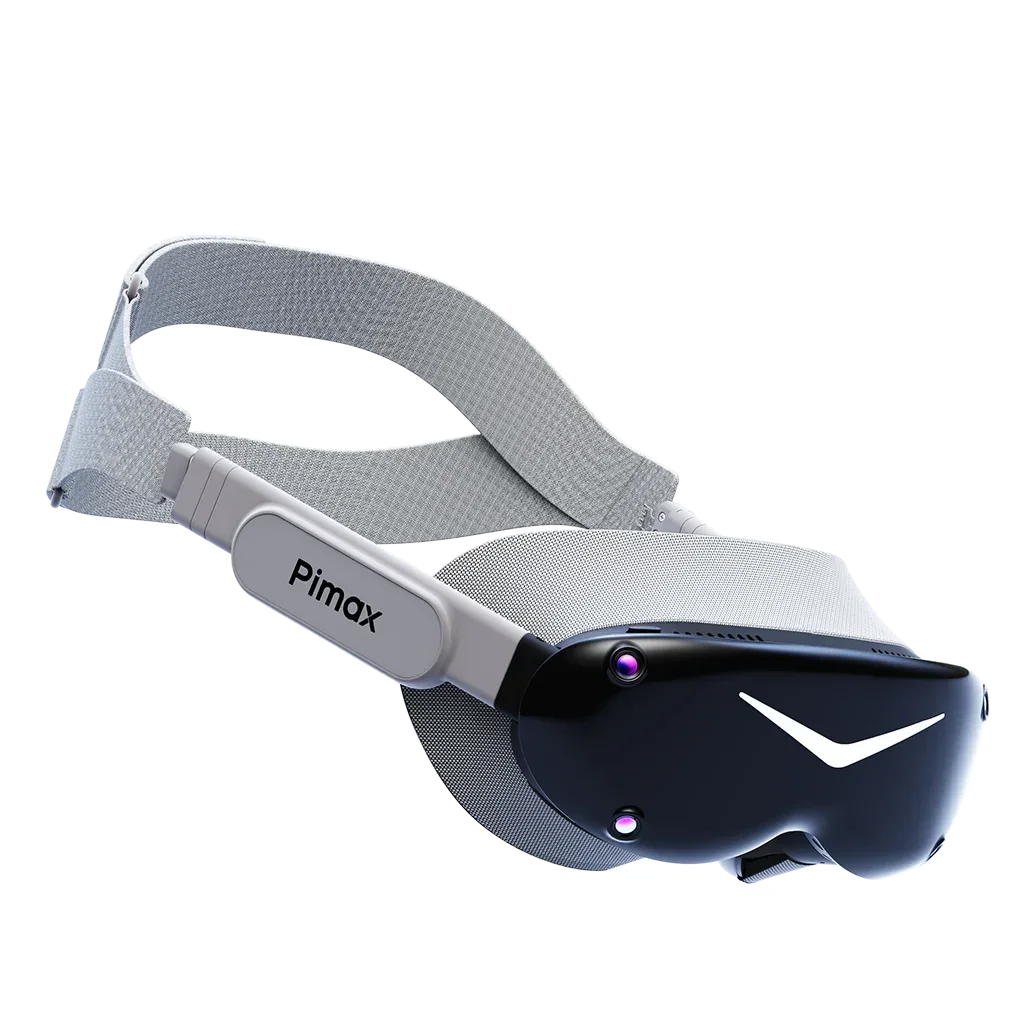
Pimax Dream Air SE
9.1Excellent · out of 10- 2560 × 2560 per eye, OLED, 105°
- PC connection: native DisplayPort
- Checked price: €1,284
Images: manufacturers
Spec-sheet comparison, not a hands-on test. We have not tried the Pimax Dream Air SE ourselves: the score and details are based on the official Pimax spec sheet and dated market prices.
SLAM version with two controllers, the version scored here; Lighthouse version (headset only) also sold
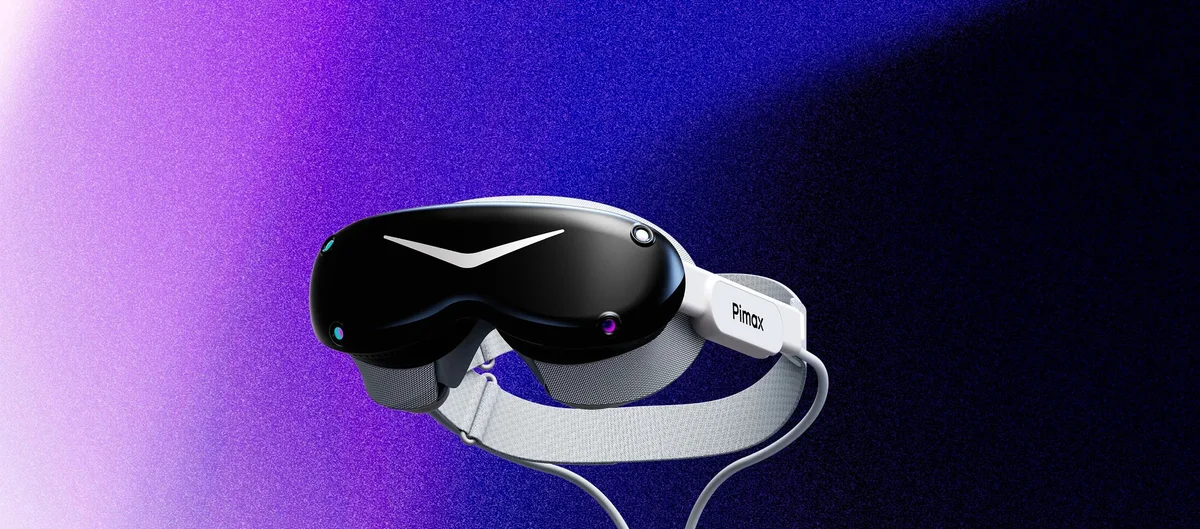
9.1Excellent · out of 10The Pimax Dream Air SE is a PC VR headset from Pimax; the manufacturer states 2560 × 2560 pixels per eye, OLED panels and a 105° horizontal field of view. Our calculated score: 9.1/10 ("Excellent"), ranked 2 of 13 in its category.
Market price checked on 29 October 2026
| Brand | Pimax |
|---|---|
| Model | Dream Air SE |
| Version | SLAM version with two controllers, the version scored here; Lighthouse version (headset only) also sold |
| Type | PC VR headset (wired) |
| Display | Micro-OLED, ConcaveView pancake lenses |
| Resolution per eye | 2560 × 2560 |
| Field of view | 105° horizontal |
| Max refresh rate | 90 Hz with upsampled rendering (72 Hz native), according to Pimax |
| PC connection | DisplayPort 1.4a + USB (detachable DisplayPort cable) |
| Tracking | Inside-out SLAM (4 cameras) on the version scored here; the Lighthouse version uses existing SteamVR base stations |
| Eye tracking | Yes |
| Controllers included | Yes |
| Weight | Under 140 g, headset only (upper value stated by Pimax) |
| Warranty | 1 year on the product (headset, controllers), 6 months on accessories; local law applies when more favorable |
PC VR headset (wired). PC connection: DisplayPort 1.4a + USB (detachable DisplayPort cable). No console support stated by the manufacturer.
Score out of 10, calculated in the VR headset category from the official spec sheet and the checked price, then placed on our editorial scale. Not a hands-on test. Missing criteria are removed and weights renormalized.
| Raw score (weighted average) | 8.1/10 |
|---|---|
| Displayed score (editorial scale) | 9.1/10 |
| Clarity (PPD or resolution) (25%) | 7.5/10 |
|---|---|
| Horizontal field of view (10%) | 6.8/10 |
| Display type (15%) | 10.0/10 |
| Max refresh rate (5%) | 6.0/10 |
| PC connection (15%) | 10.0/10 |
| Tracking (5%) | 8.0/10 |
| Eye tracking (5%) | 10.0/10 |
| Weight (5%) | 9.6/10 |
| Price (15%) | 6.0/10 |
VR headset, rated "Excellent" by our scoring: 9.1/10.
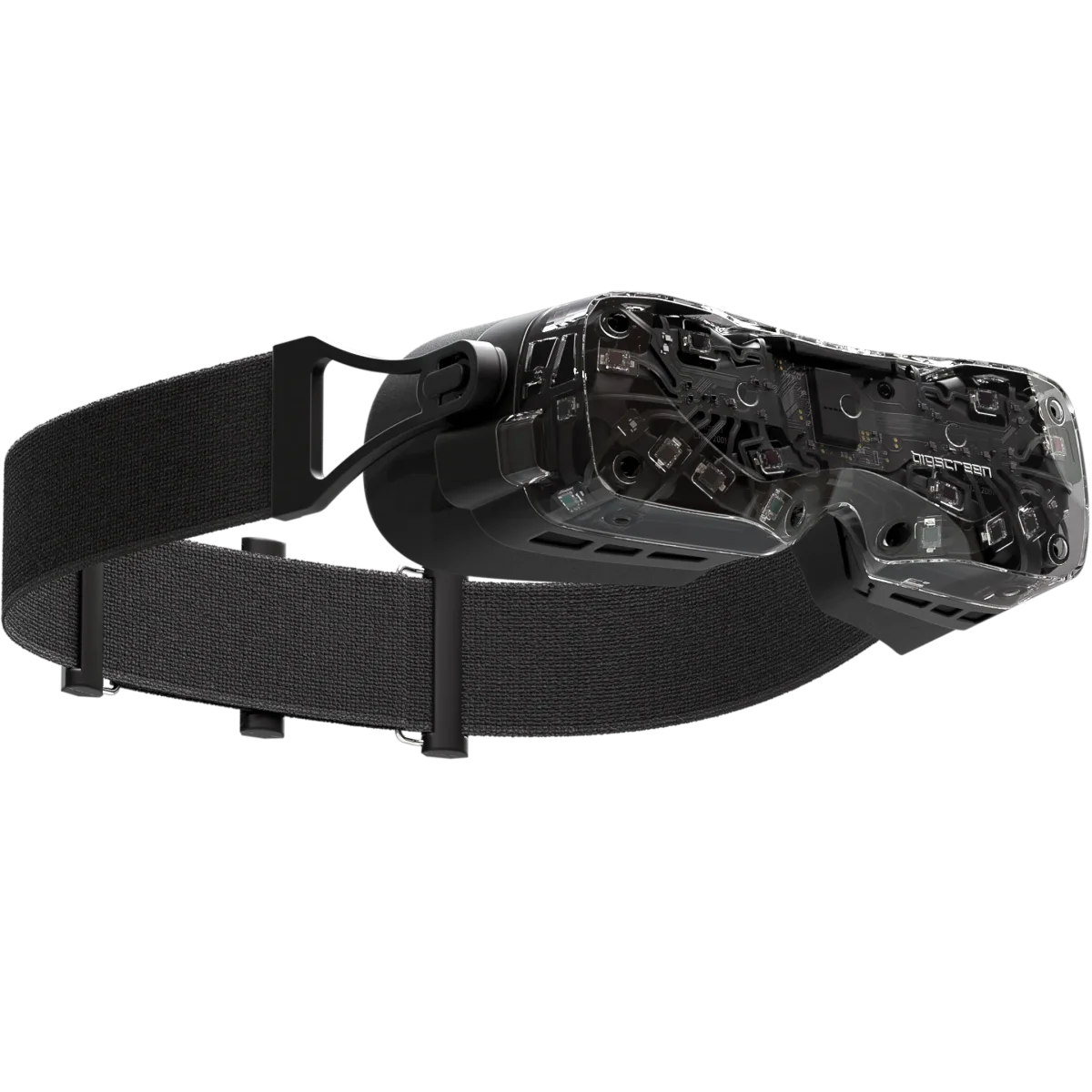
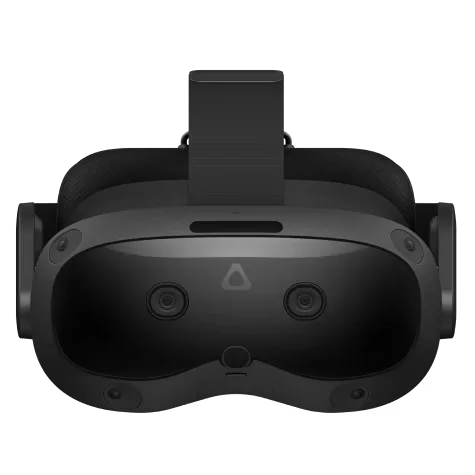
The two products in the same category with the closest price.
Pimax does not publish a pixels-per-degree figure: resolution per eye stated by the manufacturer, field of view: 105° horizontal.
Points taken from the official manufacturer spec sheet.
PC VR headset (wired). Connection: DisplayPort 1.4a + USB (detachable DisplayPort cable). Tracking: Inside-out SLAM (4 cameras) on the version scored here; the Lighthouse version uses existing SteamVR base stations. In the box: Headset, Two 6DoF controllers (SLAM version). Pimax does not publish a PPD figure for this model. Stated PC requirement: RTX 2080 minimum, RTX 3070 or better recommended.
Market price checked on 29 October 2026: €1,284. The Pimax EU store lists €1,070 excluding VAT (Lighthouse version €802); the price shown adds 20% French VAT, charged at checkout. Shipping not included. Versions: SLAM version: 4 cameras, two 6DoF controllers and hand tracking: €1,284 (scored here); Lighthouse version: headset only, for existing SteamVR base stations: €962.40. Orderable in the US and the EU, but listed as pre-order, with about 2 to 3 weeks of backorder in the Pimax update of 15 October 2026. Linked merchant: Pimax. The price at the merchant is the one that applies.
Weighted average of the criteria: raw score 8.1/10, which is 9.1/10 on our editorial scale.
Weight: 25% of the overall score
Weight: 15% of the overall score
Weight: 15% of the overall score
Weight: 15% of the overall score
On paper, the Pimax Dream Air SE offers 2560 × 2560 pixels per eye, a 105° horizontal field of view, a direct DisplayPort video link from the PC, without the video encoding used by Wi-Fi or USB streaming. Most PC racing sims support OpenXR or SteamVR headsets: check the VR support of your sim before buying. This is a spec-sheet comparison, not a hands-on test.
Pimax states 2560 × 2560 pixels per eye but no pixels-per-degree figure. Our clarity score then uses the resolution per eye, on a scale anchored to headsets that publish both figures.
DisplayPort 1.4a + USB (detachable DisplayPort cable). The headset receives the video signal directly from the graphics card.
No. Inside-out SLAM (4 cameras) on the version scored here; the Lighthouse version uses existing SteamVR base stations.
No console support is stated by Pimax. In our selection, the Sony PlayStation VR2 is the only headset for PS5.
The Pimax Dream Air SE scores 9.1/10 ("Excellent") in the VR headset category, ranking 2 of 13. The score is calculated from the official specs and the checked price, with no hands-on test.
The price checked on 29 October 2026 is €1,284. It may have changed since.
According to the official spec sheet: Headset, Two 6DoF controllers (SLAM version).
We link to Pimax. Some links are affiliate links and are labeled next to the button.
No. This page is a spec-sheet comparison, not a hands-on test: we have not handled the product. All information comes from the official Pimax spec sheet and dated market prices.