VR for sim racing: what actually matters
A VR headset puts you inside the cockpit: you judge distances, apexes and braking points the way you would in a real car. Spec sheets, though, are full of figures that do not all matter as much. This guide sorts them out for sim racing, using the official specs of the 13 headsets we compare and prices checked on 29 October 2026 on official stores.
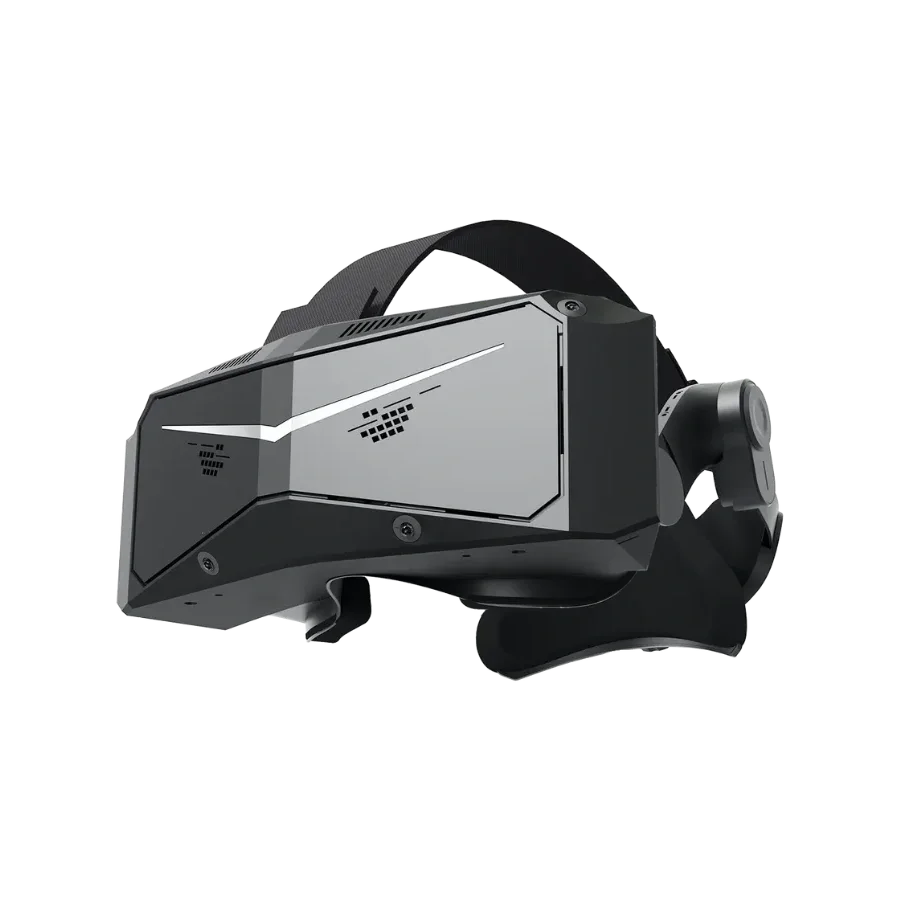
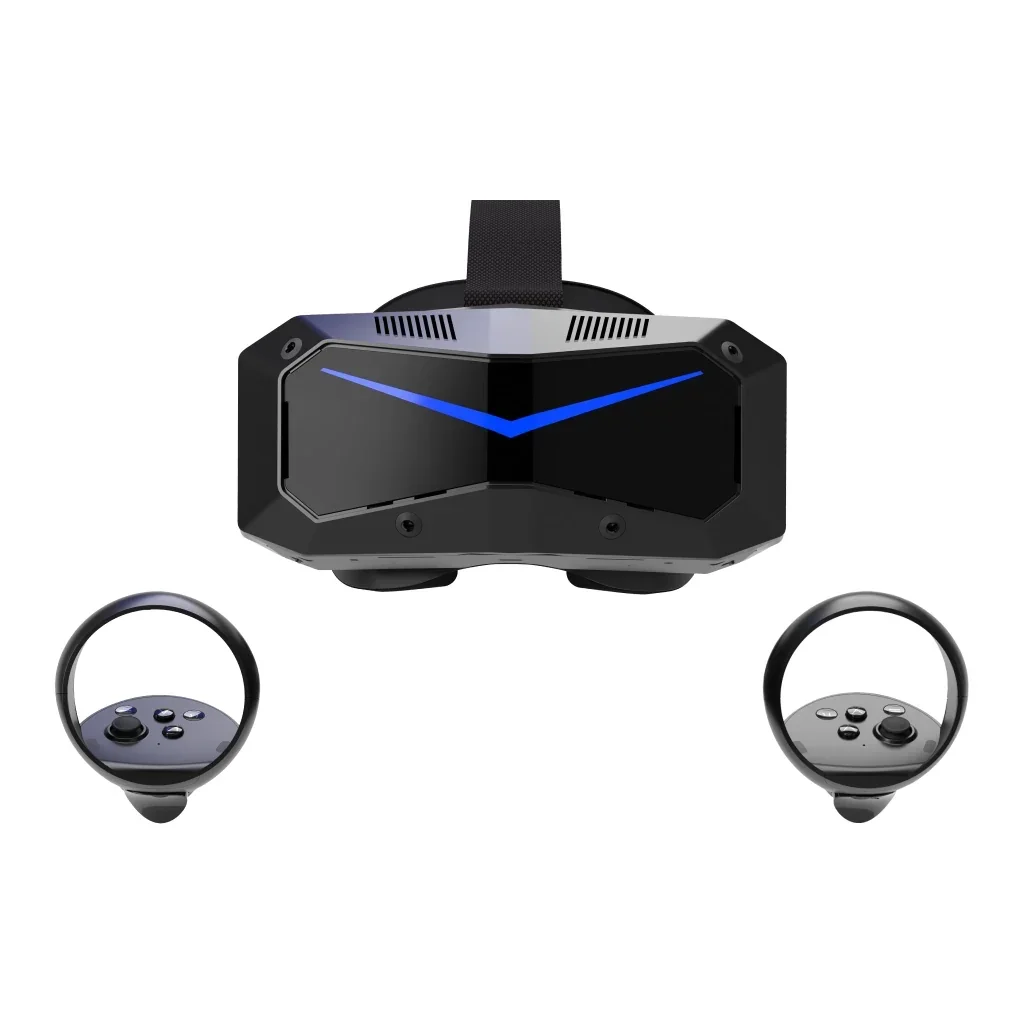
Pimax Crystal Light9.0/10See the review
Clarity: pixels per degree, not just resolution
In a race car, you spend most of the lap reading small things far away: the braking board, the apex kerb, the car in your mirror, the gear on the dash. The figure that predicts how readable they are is not the resolution alone but the pixels per degree (PPD): how many pixels cover one degree of your view. A high resolution spread over a very wide field of view can end up less sharp than a lower resolution over a narrower one.
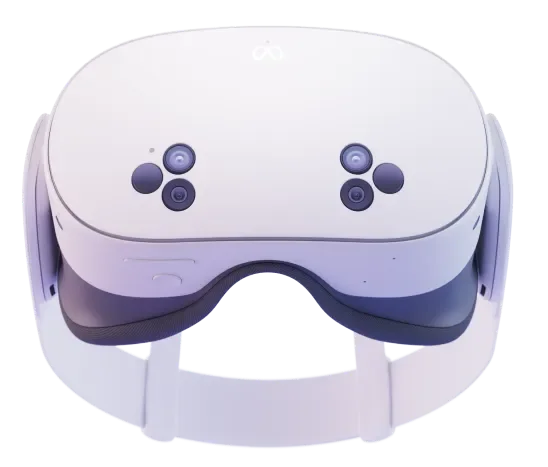
Not every manufacturer publishes PPD. Among those that do, the Meta Quest 3S states 20 PPD, the Meta Quest 3 25 PPD, the Bigscreen Beyond 2 32 PPD at its peak, the Pimax Crystal Light 35 PPD, the Pimax Dream Air and the Crystal Super 8K Micro-OLED 53 PPD, and the 57 PPD optical engine of the Pimax Crystal Super 57 PPD. PICO states 20.6 PPD on average for the PICO 4 Ultra.
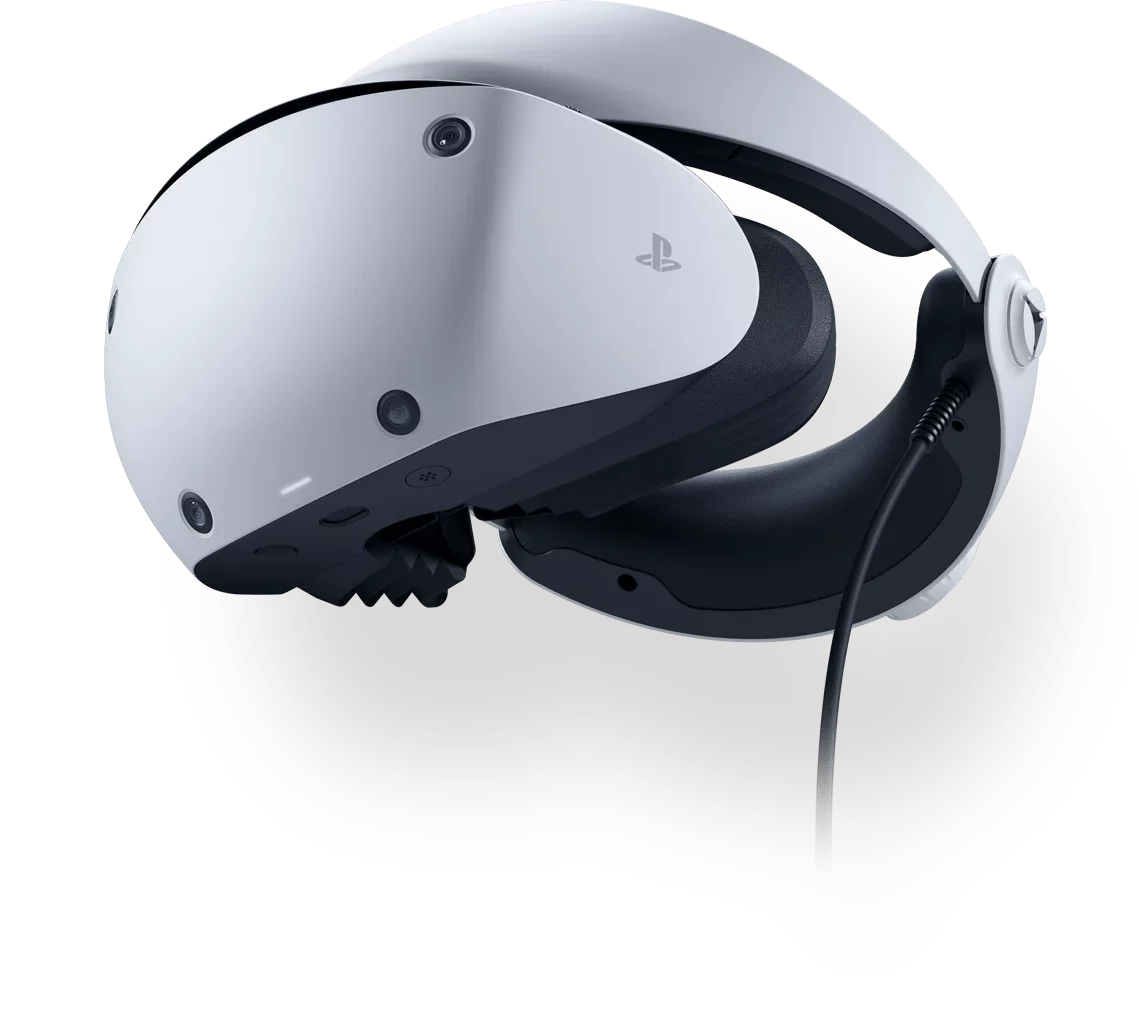
When the PPD figure is missing, the resolution per eye is the next best clue: 2000 x 2040 for the PlayStation VR2, 2160 x 2160 for the Valve Steam Frame, 2448 x 2448 for the HTC VIVE Focus Vision and 2560 x 2560 for the Pimax Dream Air SE, according to their spec sheets. Our methodology uses PPD first and falls back on the resolution per eye, on a scale anchored to headsets that publish both.
Field of view: how much of the cockpit you see
The horizontal field of view decides how much of the car you see without turning your head: the A-pillars, the side mirrors, the car alongside you into a corner. Manufacturers that state the horizontal value give between 96 degrees (Meta Quest 3S) and 116 degrees (Pimax Crystal Super 8K Micro-OLED) in our selection, with 108 degrees for the Bigscreen Beyond 2 and 110 degrees for the Meta Quest 3, the Pimax Crystal Light and the Pimax Dream Air.
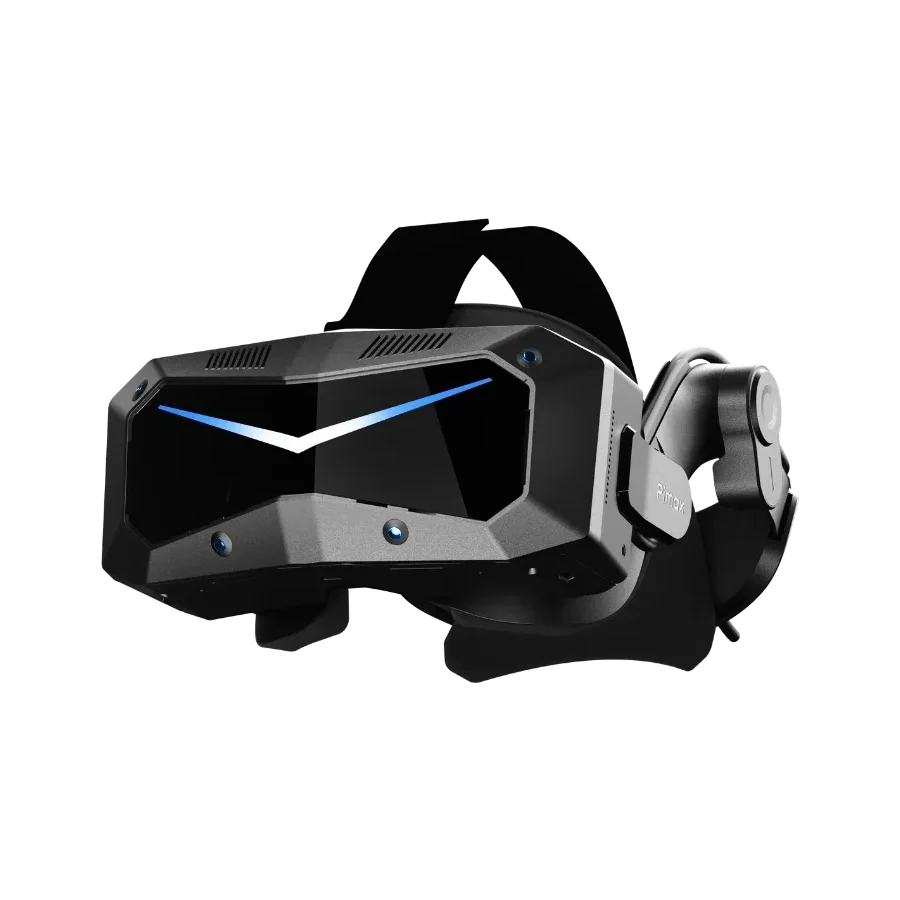
The Pimax Crystal Super goes further with swappable optical engines: Pimax lists 106 degrees for the 57 PPD engine and 140 degrees for the Ultrawide engine, and pairs the Ultrawide engine with racing sims and the 57 PPD engine with flight sims. It is a direct trade between field of view and sharpness, sold at the same price.
OLED, mini-LED or LCD
Night races and dark tunnels are where display technology shows. OLED and micro-OLED pixels emit their own light and switch off completely, which gives deep blacks. Mini-LED and QLED panels use a backlight split into local dimming zones, about 2,000 on the Pimax Crystal Super according to Pimax. Plain LCD panels light the whole screen from behind.
- OLED or micro-OLED: Sony PlayStation VR2, Bigscreen Beyond 2 and 2e, Pimax Dream Air, Pimax Dream Air SE, Pimax Crystal Super 8K Micro-OLED.
- QLED with mini-LED local dimming: Pimax Crystal Light and Pimax Crystal Super (QLED).
- LCD: Meta Quest 3, Meta Quest 3S, Valve Steam Frame, HTC VIVE Focus Vision.
- Not stated by the manufacturer: PICO 4 Ultra.
Our score gives the top mark to OLED and micro-OLED, then mini-LED with local dimming, then LCD. The display type is not everything, though: refresh rate matters for smooth motion too, from 90 Hz on most PC headsets to 120 Hz on the Quest 3, the PS VR2 and the Crystal Light, and up to 144 Hz on the Steam Frame, which Valve describes as experimental.
DisplayPort or streaming: how the image reaches the headset
This is the choice that splits the market. Wired PC VR headsets such as the Pimax and Bigscreen models take a DisplayPort video signal straight from the graphics card. Standalone headsets were built to run on their own and receive PC games as a compressed video stream: the Meta Quest 3 and 3S through the Meta Quest Link cable, Air Link or Steam Link, the Valve Steam Frame through the included Wi-Fi 6E adapter, the PICO 4 Ultra through PICO Connect over Wi-Fi 7.
Streaming is convenient and cheaper, and a standalone headset can also play its own games without a PC. The image is encoded before it reaches the headset, though, which can soften the fine details that matter when you read a braking board in the distance. In our scoring, native DisplayPort gets the top mark, then DisplayPort through an adapter or a kit sold separately, then compressed streaming.
- Native DisplayPort: Pimax Crystal Light, Crystal Super, Dream Air and Dream Air SE (DisplayPort 1.4a), Bigscreen Beyond 2 and 2e (DisplayPort 1.4 with DSC, through a Link Box).
- DisplayPort through an adapter or a kit: Sony PlayStation VR2 with the official PC adapter, HTC VIVE Focus Vision with the VIVE Wired Streaming Kit (DisplayPort mode in beta).
- Compressed streaming: Meta Quest 3, Meta Quest 3S, Valve Steam Frame, PICO 4 Ultra.
Tracking: inside-out or Lighthouse
Seated in a rig, you mostly move your head, so tracking matters less than in room-scale games. The practical question is what you need to install. Inside-out headsets carry their own cameras and work out of the box: the Meta Quest 3 and 3S, the PICO 4 Ultra, the PS VR2, the Steam Frame, the Focus Vision and the SLAM versions of the Pimax Dream Air and Dream Air SE.
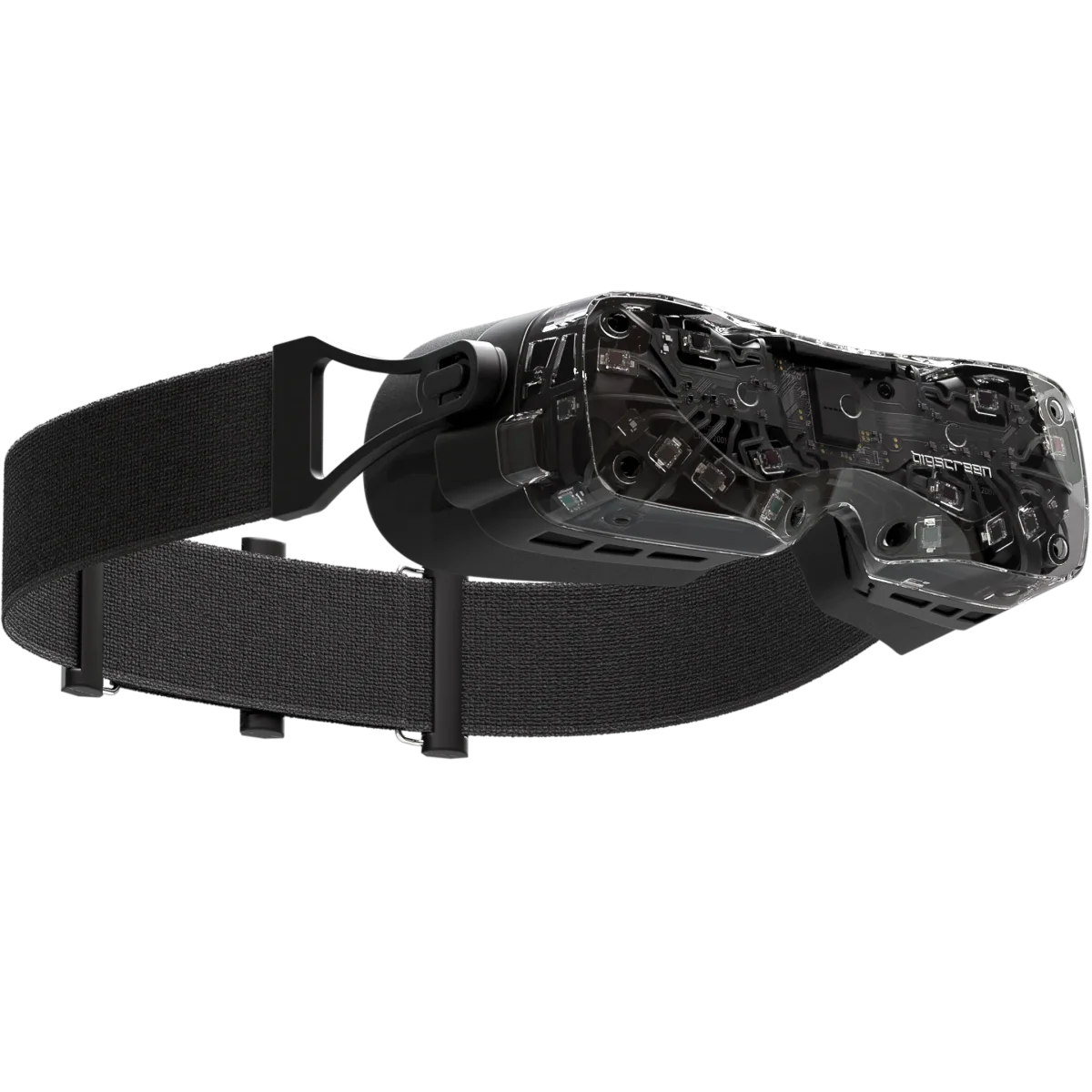
SteamVR Lighthouse headsets track their position from base stations mounted around you. The Bigscreen Beyond 2 needs at least one base station 1.0 or 2.0, not included and not sold by Bigscreen, so budget for it if you do not own one. Bigscreen also notes that racing and flight sims can be played without controllers, with a wheel and pedals or a HOTAS. The Pimax Crystal Light and Crystal Super use inside-out tracking and accept an optional Lighthouse faceplate, sold separately.
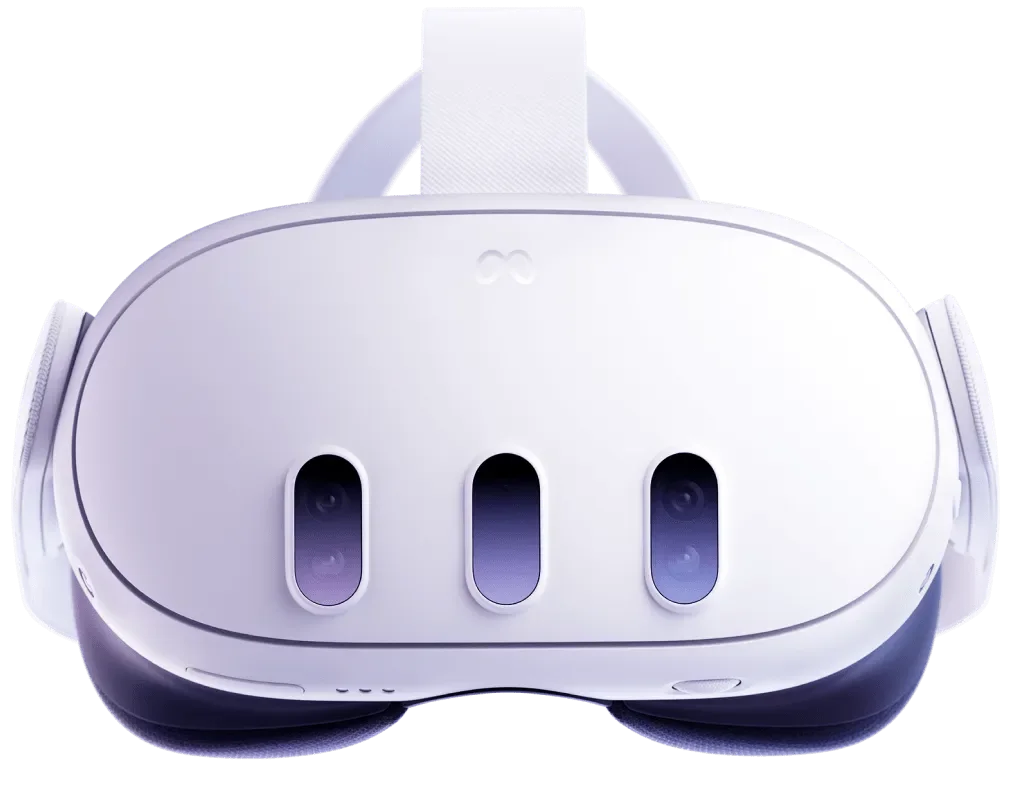
Meta Quest 3S8.2/10See the review
Weight and comfort over a race
A one-hour race is a long time with a headset on. Stated weights in our selection run from 107 grams for the Bigscreen Beyond 2 to 815 grams for the Pimax Crystal Light, but manufacturers do not weigh the same parts. Bigscreen and Pimax give headset-only figures for the Beyond 2 (107 g), the Dream Air SE (under 140 g) and the Dream Air (under 170 g). Meta weighs the Quest 3 at 515 grams without the facial interface, Valve weighs the Steam Frame at 440 grams with its battery strap, PICO weighs the PICO 4 Ultra at 580 grams with straps and battery.
Our score rewards a lighter stated weight, and each review says what the figure includes. Pimax had not yet published the weight of the Crystal Super on 29 October 2026, so that criterion is left out of its score rather than guessed.
Eye tracking and foveated rendering
Eye tracking follows where you look. Its main use in sim racing is dynamic foveated rendering: the game renders the area you look at in full detail and the periphery at a lower resolution, which saves graphics card power where the game and the headset software support it. Built-in eye tracking is listed for the Pimax Crystal Super, Dream Air and Dream Air SE, the Bigscreen Beyond 2e, the HTC VIVE Focus Vision, the Valve Steam Frame (for foveated streaming) and the PS VR2.
Two details matter. On PC, Sony states that eye tracking, HDR and headset feedback are not available on the PS VR2. And the Pimax Crystal Light has no eye tracking: Pimax uses fixed foveated rendering instead. The Bigscreen Beyond 2e is the only Beyond with eye tracking, and Bigscreen presents its eye-tracking software as beta.
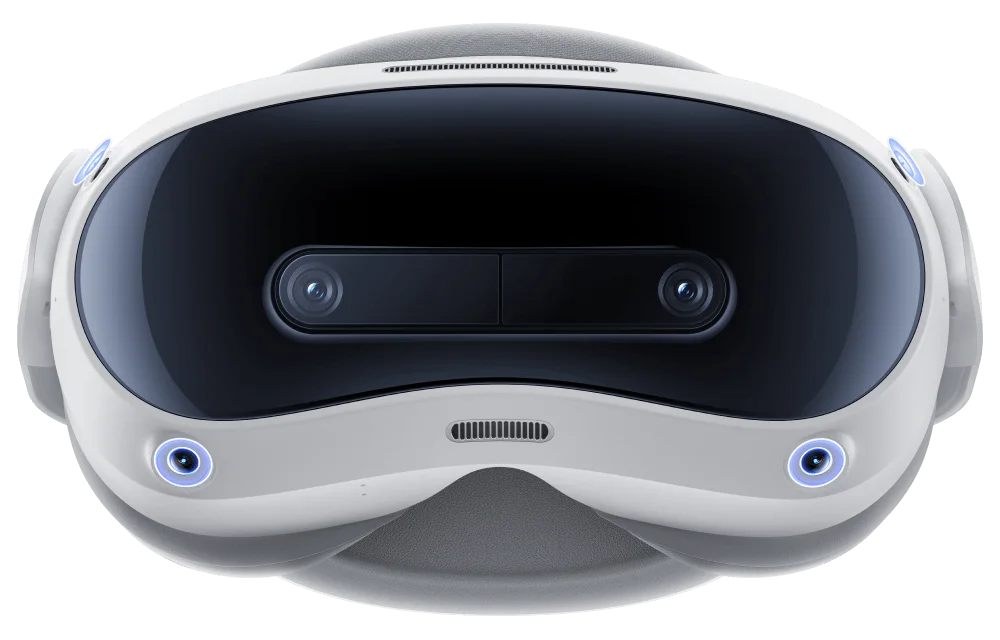
On PS5: the PlayStation VR2
Console players have one choice in our selection: the Sony PlayStation VR2, connected to the PS5 with a single USB-C cable. Gran Turismo 7 appears in the PlayStation Direct list of PS VR2 games. It sold for €449.99 on the official PlayStation store in France and Germany on 29 October 2026, while PlayStation Direct US no longer listed the headset at the time of our check.
The PS VR2 also works on a Windows PC with SteamVR games through the official PS VR2 PC adapter, sold separately, which requires DisplayPort 1.4 and Bluetooth 4.0 or later. None of the other headsets here state PS5 support.
 VR headsetSony PlayStation VR2
Which headset for which driver?
Our scores come from official spec sheets, not from hands-on tests, and the full list is in the best VR headsets for sim racing ranking. As a starting point, here is how the main options line up, with prices checked on 29 October 2026.
| Profile | Headset | Why | Price |
|---|---|---|---|
| PS5 driver | Sony PlayStation VR2 | Only PS5 headset in our selection, OLED panels | €449.99 |
| Tight PC budget | Meta Quest 3 | 25 PPD, 110 degrees, also standalone | €619.99 |
| Sharp wired image | Pimax Crystal Light | 35 PPD, native DisplayPort, inside-out | €1,023.60 |
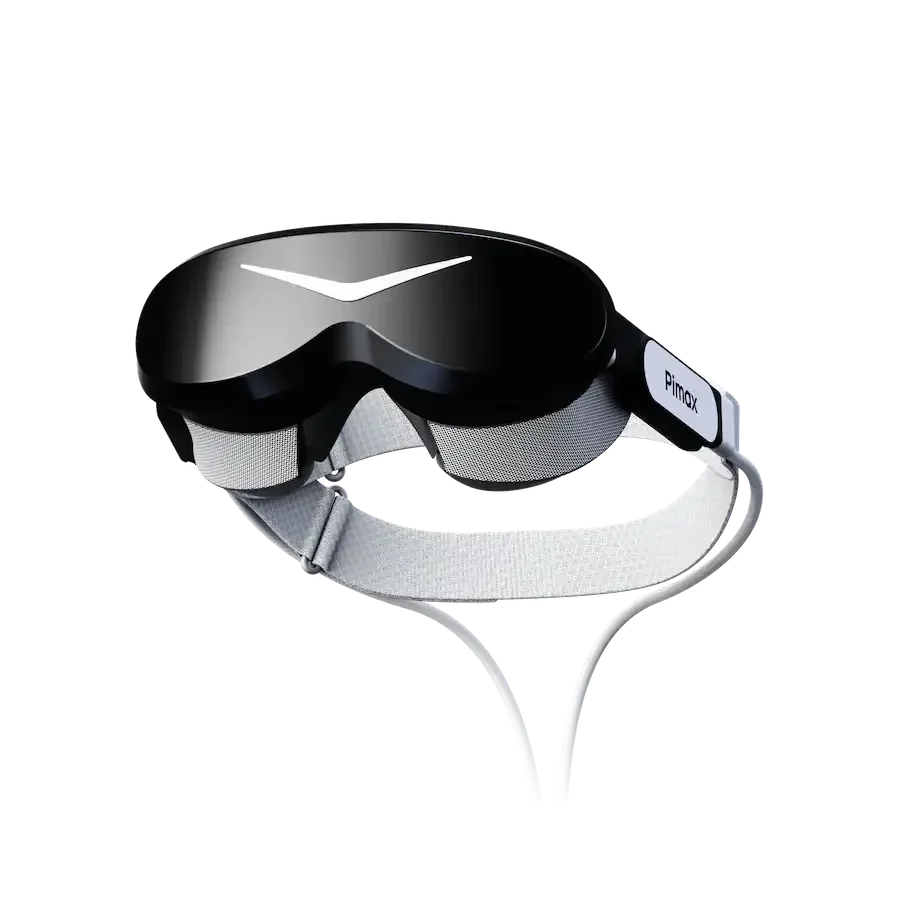
| Lightest headset | Bigscreen Beyond 2 | 107 g headset only, micro-OLED, base stations needed | €1,309 |
| Maximum clarity | Pimax Crystal Super (QLED) | 57 PPD engine or 140 degrees Ultrawide | €1,750.80 |
To go further, compare the Pimax Crystal Light vs the Meta Quest 3, browse every VR headset, or check the best PC VR headsets and the best budget VR headsets for sim racing.
 VR headsetBigscreen Beyond 2
Figures from official manufacturer spec sheets and market prices checked on 29 October 2026. Images: manufacturers. Not a hands-on test: see our methodology.
Our selection
Three rated products mentioned in this guide, at checked prices.
Frequently asked questions
Is VR better than triple screens for sim racing?
It depends on what you value. VR gives depth perception and lets you look into a corner by turning your head; screens need nothing on your head and can be shared with the room. This guide covers the headset side: if you go for VR, a high pixels-per-degree figure helps you read the track far ahead.
Do racing sims support VR?
Most PC racing sims support OpenXR or SteamVR headsets, but support varies by game and headset software: check the official VR support of your sim before buying. On PS5, Gran Turismo 7 appears in the PlayStation Direct list of PS VR2 games.
What is a good PPD for sim racing?
The higher the better for reading mirrors and braking boards. In our selection, stated values go from 20 PPD (Meta Quest 3S) to 57 PPD (Pimax Crystal Super with its 57 PPD engine). A higher figure puts more pixels into the same angle, so a braking board or a mirror is drawn with more detail: 35 PPD, as stated for the Pimax Crystal Light, is 75% more pixels per degree than 20 PPD.
Do I need base stations?
Only for SteamVR Lighthouse headsets such as the Bigscreen Beyond 2 and 2e, or the Lighthouse versions of the Pimax Dream Air and Dream Air SE. Inside-out headsets track themselves with their own cameras.
Can I use a Meta Quest for PC sim racing?
Yes. Meta states that the Quest 3 and Quest 3S play PC VR through the Meta Quest Link cable or Air Link, and stream the Steam library through Steam Link. The image is compressed on the way, unlike a headset with a native DisplayPort link.